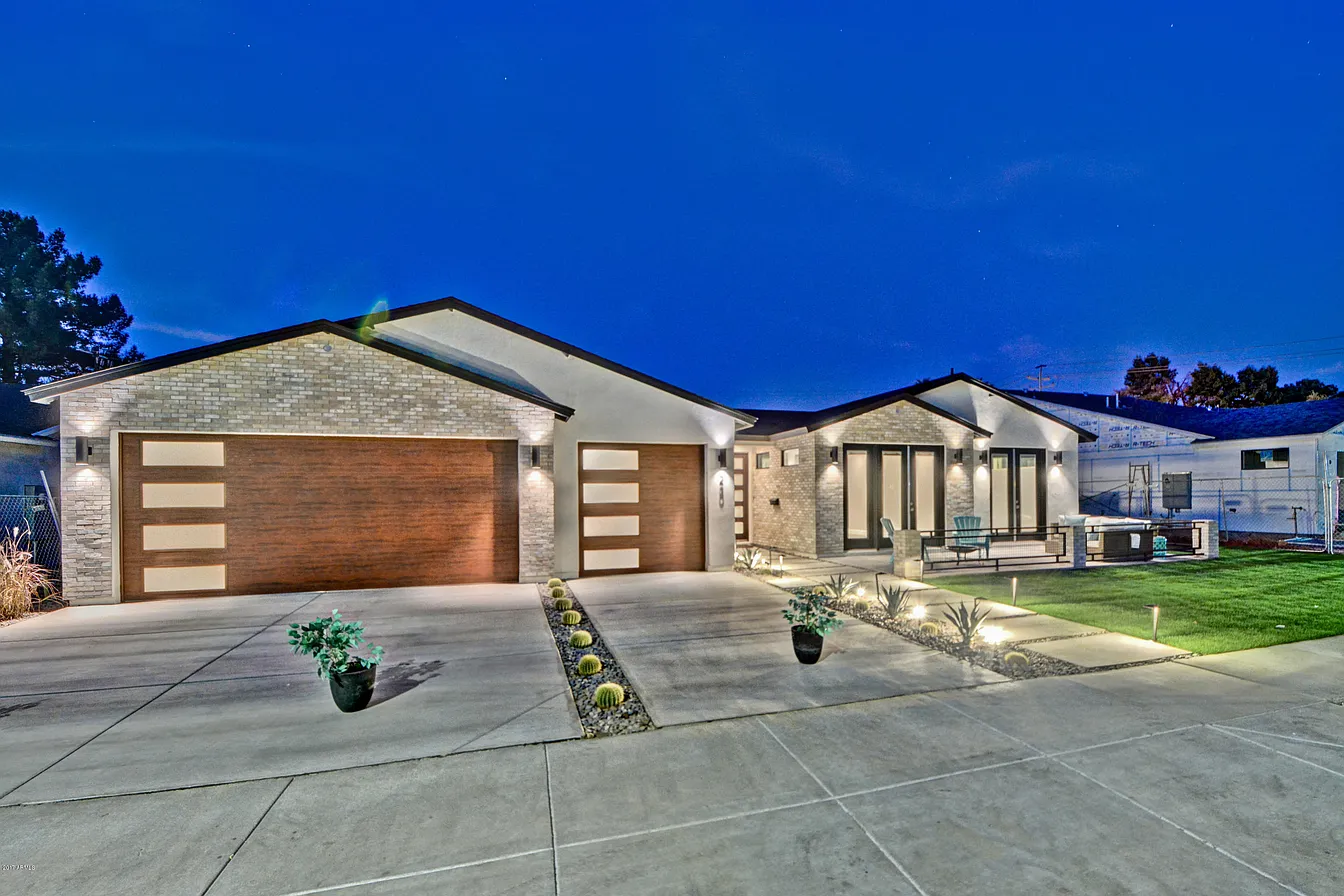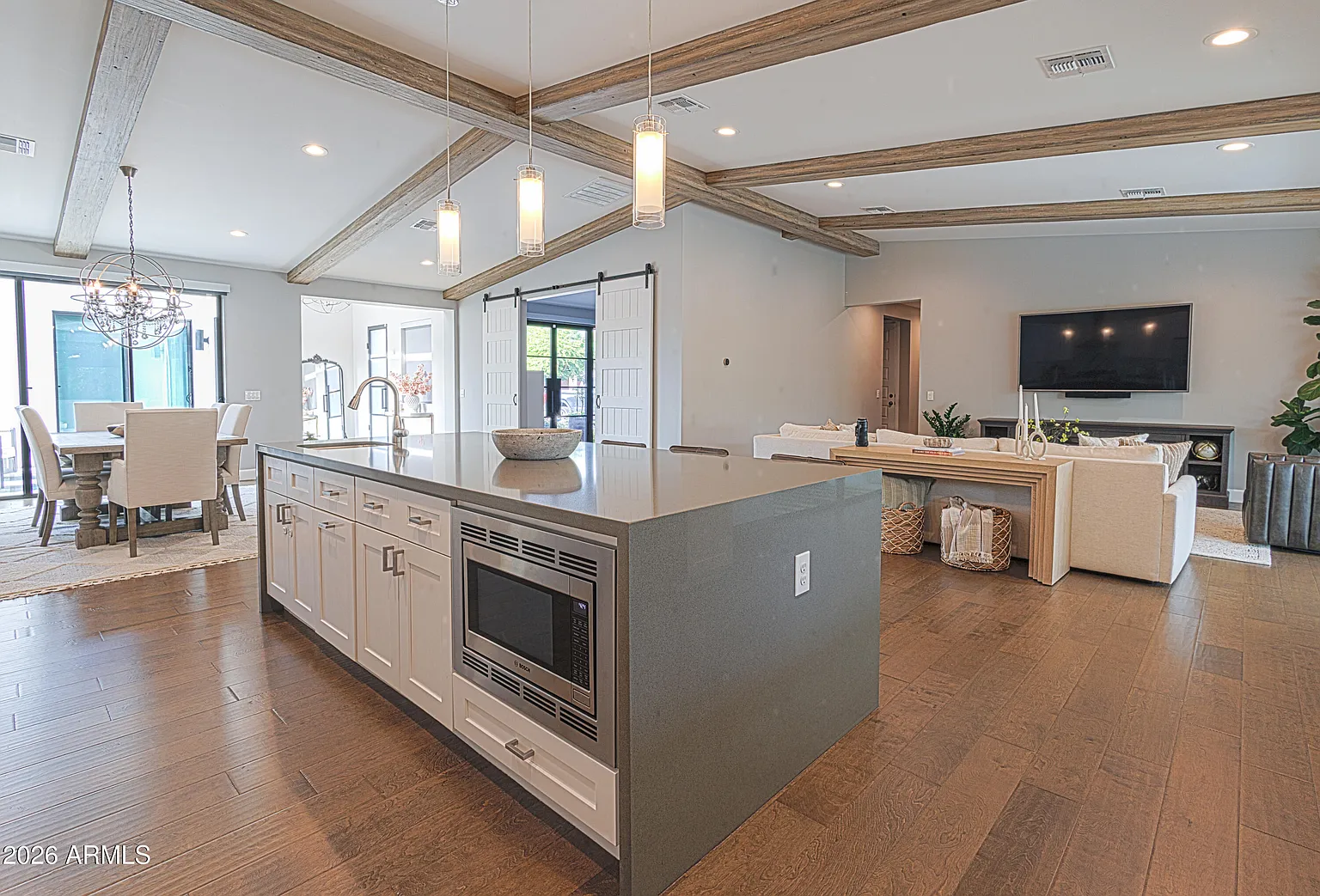
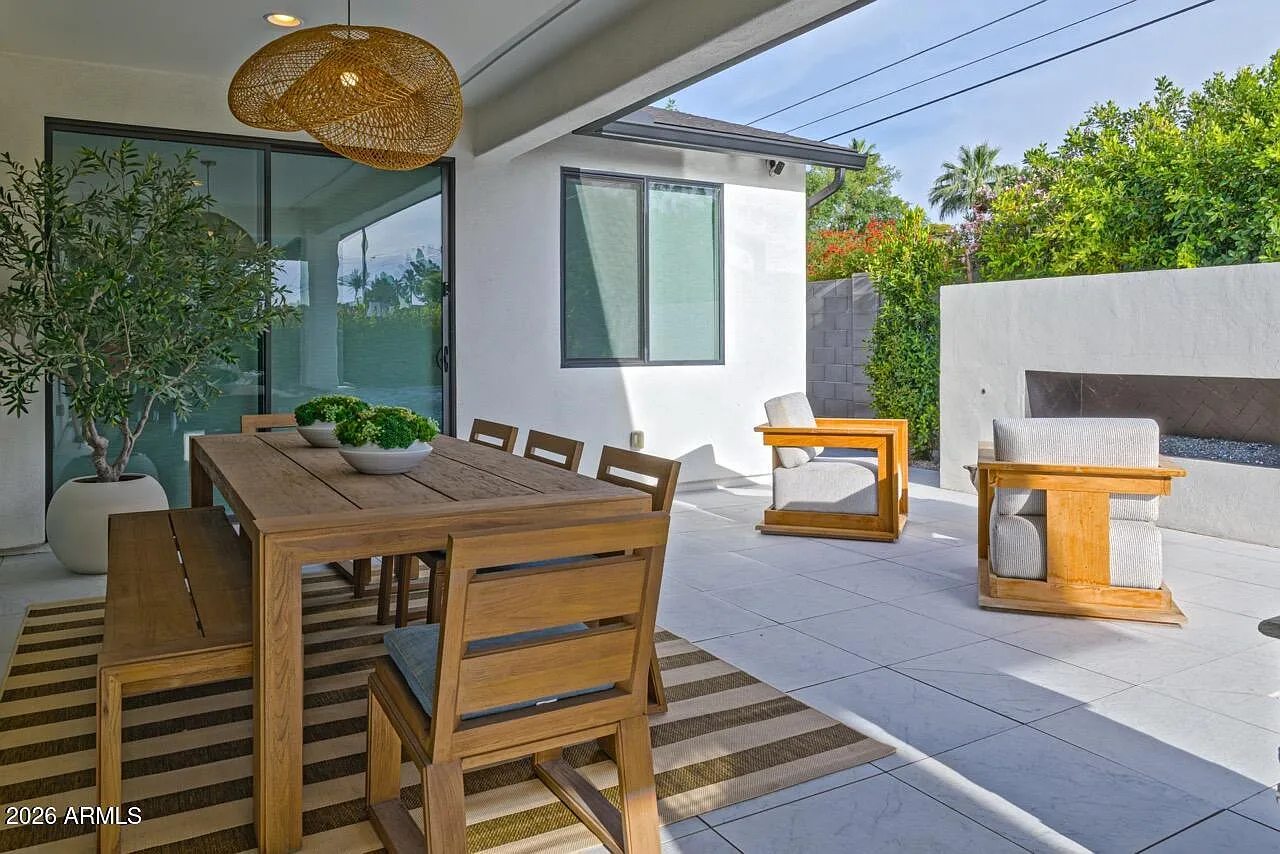
The Net Zero Home Design Process Phoenix follows this principle from site planning through solar and monitoring. Each step builds on the previous one, so early decisions can affect later costs and performance.
Blue Sky Homes builds across Scottsdale, Paradise Valley, and Arcadia. Homeowners exploring net zero home construction can use this sequence to understand how the pieces work together.
Step One: Start With the Site and Orientation
Everything begins with the lot. Consider which way the home faces, where afternoon sun hits, and where shade can reduce heat gain.
Thoughtful orientation can lower cooling demand before mechanical equipment enters the design. Roof overhangs and other shading strategies can provide additional protection from direct sun.
These early choices form the first step in the Net Zero Home Design Process Phoenix.
Step Two: Build a Tight, Well-Insulated Shell
Next comes the building envelope, which separates conditioned indoor space from outdoor conditions.
High-performance insulation slows heat transfer. Careful air sealing reduces unwanted air leakage through gaps and penetrations.
Together, these measures lower the amount of energy needed to maintain comfortable indoor temperatures. They create an important foundation for Net Zero Homes in Phoenix.
Step Three: Choose Efficient Windows
Windows can contribute significant heat gain when designers overlook orientation and performance.
Choose glazing based on the home’s design, exposure, and climate. Window placement should also balance daylight with solar control.
Good windows work with insulation and shading to reduce cooling demand. They can also improve comfort near exterior walls and glass.
Step Four: Right-Size the HVAC System
A better building envelope reduces the home’s heating and cooling load.
The HVAC system should reflect that actual load rather than rely on a standard equipment size. Proper sizing helps the system operate more efficiently and maintain consistent comfort.
Duct design also matters. Well-designed ducts should deliver conditioned air where the home needs it without unnecessary losses.
This coordination is a key part of the Net Zero Home Design Process Phoenix.
Step Five: Choose Efficient Appliances and Water Systems
Heating and cooling are only part of a home’s total energy use.
Water heating, appliances, lighting, and other equipment also contribute. Choosing efficient products reduces the amount of energy the home needs each year.
For Net Zero Homes in Phoenix, lowering these loads before sizing solar can make the renewable energy target easier to reach.
Step Six: Size the Solar System
Solar should come after the design team has reduced the home’s energy demand.
At that point, expected consumption can guide the solar system size. A lower energy load may allow the project to meet its goals with less solar capacity.
The U.S. Department of Energy recommends a whole-house systems approach that considers the building envelope, mechanical systems, appliances, and renewable energy together.
This sequence helps solar support an efficient home instead of compensating for avoidable energy waste.
Step Seven: Add Monitoring
Energy monitoring helps homeowners understand how the completed home performs.
You can compare energy use with solar production and watch for changes over time. Smart thermostats and other controls can also help manage daily consumption.
The U.S. Department of Energy notes that home energy management systems can help homeowners monitor and control energy use across connected systems.
Monitoring makes performance more visible after construction ends.
Step Eight: Keep It Running Well
A high-performance home still requires regular care.
Replace filters when needed and maintain HVAC equipment according to manufacturer recommendations. Solar equipment should also receive appropriate inspection and maintenance.
Routine care helps systems continue operating as designed. Small maintenance habits can protect the performance achieved during construction.
What If Full Net Zero Is Not the Goal?
You do not need to complete every step to benefit from this design approach.
A homeowner may prioritize orientation, insulation, air sealing, efficient HVAC, and lower energy loads first. Solar can then be added later if the project allows.
Even without reaching full net zero, these decisions can reduce energy demand and improve comfort.
That makes the same principles useful for many high-performance homes, not only Net Zero Homes in Phoenix.
Why the Sequence Matters
The order matters because one decision affects the next.
A better envelope can reduce cooling demand. Lower demand can influence HVAC sizing. Efficient equipment can reduce total electricity use. Lower electricity use can then affect the solar capacity needed.
The Net Zero Home Design Process Phoenix works best when the design team considers these relationships early.
Treating each system separately can make it harder to optimize the home as a whole.
Why Blue Sky Homes
Blue Sky Homes applies Smart & Green Building principles across Signature Home and Build-to-Suit projects.
The approach includes strong insulation, careful air sealing, efficient mechanical systems, and thoughtful design. These same fundamentals support high-performance and net zero goals.
Blue Sky Homes has also been named Best Sustainable Builder in Arizona for two consecutive years.
Ready to Plan Your Path?
The Net Zero Home Design Process Phoenix starts by reducing energy demand before adding renewable energy. Site planning, envelope design, HVAC, appliances, solar, and monitoring all play a role.
If you are exploring Net Zero Homes in Phoenix, contact Blue Sky Homes to discuss your lot, goals, and performance priorities.
You can also call 480.900.7202 or visit 4455 East Camelback Rd, D275, Phoenix, AZ 85018. Let’s talk about how far toward net zero your home could go.