
Blue Sky Homes applies many of the same building science principles found in Indoor AirPlus certified homes, treating indoor air quality as a core part of Smart & Green Building rather than a separate consideration.
This guide explains what the Indoor AirPlus program covers, why indoor air quality deserves attention in the Phoenix climate, and how these standards connect to the way Blue Sky Homes builds.
What Is Indoor AirPlus Certification?
Indoor AirPlus certification focuses on building practices designed to improve indoor air quality, covering areas like moisture control, ventilation system design, and the selection of low-emission building materials. The program builds on ENERGY STAR requirements, adding additional criteria intended to reduce indoor pollutants and improve overall air quality inside the home.
Why Indoor Air Quality Matters in Phoenix Homes
Because Phoenix homes are sealed tightly to manage cooling costs during long, hot summers, ventilation and moisture control take on added importance. Indoor Air Quality Phoenix Homes Health Impact is closely connected to how effectively a home manages fresh air exchange, humidity, and indoor pollutants.
Without proper attention to these details, tightly sealed homes can trap moisture, dust, and other pollutants indoors. This makes ventilation design and material selection especially important considerations for homeowners in this climate, not just an added feature.
Key Requirements Behind the Certification
Indoor AirPlus certified construction must meet requirements for ventilation, moisture management, and low-emission materials. These include paints, adhesives, and flooring products. These homes also use HVAC filtration systems that remove common indoor pollutants beyond standard filters.
How These Standards Connect to Smart & Green Building
Blue Sky Homes follows many practices used in Indoor AirPlus certified homes. These include proper ventilation design and moisture control at the building envelope. These methods support the Smart & Green Building approach. A well-sealed home also needs effective ventilation to maintain healthy indoor air.
Homeowners seeking Indoor AirPlus certification should discuss it with our team early in the design process. The team must plan specific materials and systems from the beginning to meet certification requirements.
Benefits for Homeowners
Families considering Indoor Air Quality Phoenix Homes Health Impact often focus on allergies, asthma, and overall indoor air quality. These concerns become especially important for young children and family members with respiratory sensitivities. Proper ventilation and low-emission materials can meaningfully reduce indoor pollutants compared to homes built without these considerations in mind.
Strong ventilation and moisture management improve indoor air quality. They also help homes maintain structural durability over time. Uncontrolled moisture often causes long-term maintenance problems.
The EPA Indoor AirPlus program provides additional guidance on indoor air quality strategies, including moisture control, ventilation, and pollutant reduction measures.
Common Misconceptions
Many homeowners think Indoor Air Quality Phoenix Homes Health Impact requires a completely different construction approach. In reality, strong building science practices can improve indoor air quality. These include proper insulation, air sealing, and well-designed mechanical systems.
Questions to Ask Your Builder
Homeowners should ask builders about mechanical ventilation, moisture control, and material selection. These questions help evaluate indoor air quality practices. Do not assume standard new construction addresses these details automatically.
Blue Sky Homes’ Commitment to Healthy Homes
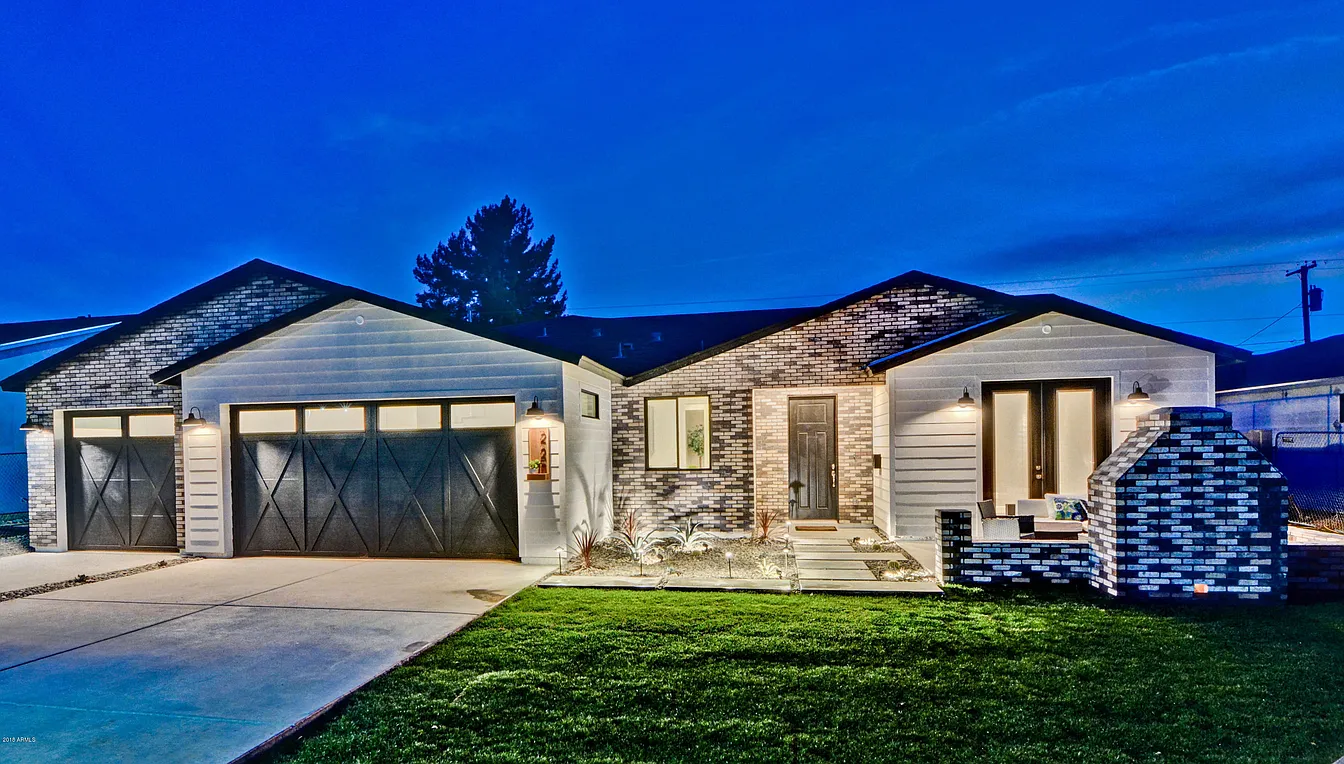
Blue Sky Homes earned recognition as Best Sustainable Builder in Arizona for two consecutive years. The team applies rigorous building science standards across Signature Home and Build-to-Suit projects. These projects include careful attention to ventilation and indoor air quality in Scottsdale, Paradise Valley, and Arcadia.
Ready to Discuss Indoor Air Quality for Your Home?
Want to learn more about Indoor Air Quality Phoenix Homes Health Impact? Blue Sky Homes can explain how these standards may apply to your project.
Contact Blue Sky Homes at info@blueskybuilt.com or 480.900.7202 to schedule a consultation, or visit us at 4455 East Camelback Rd, D275, Phoenix, AZ 85018. Let’s talk about building a home that’s as healthy as it is efficient.