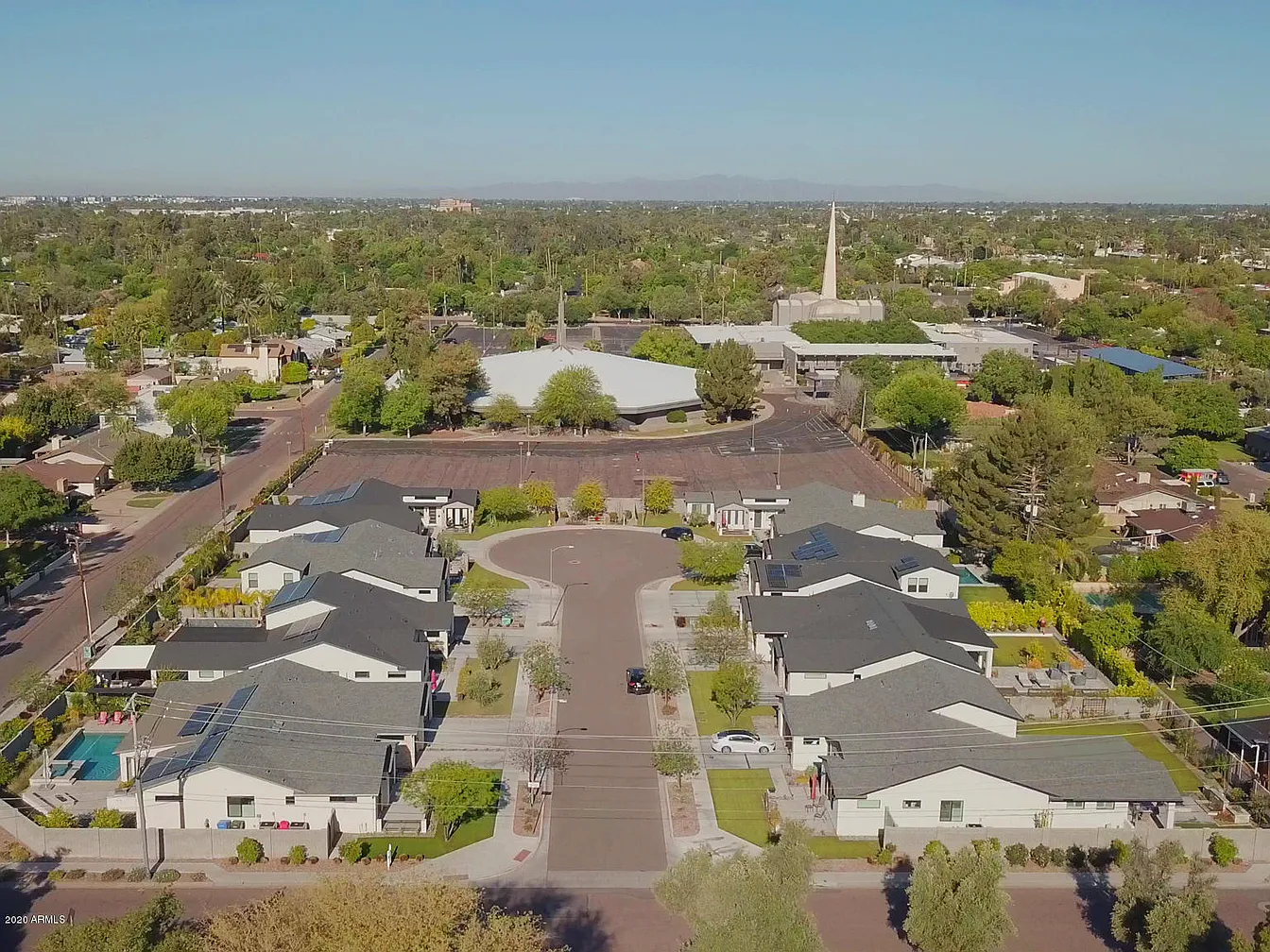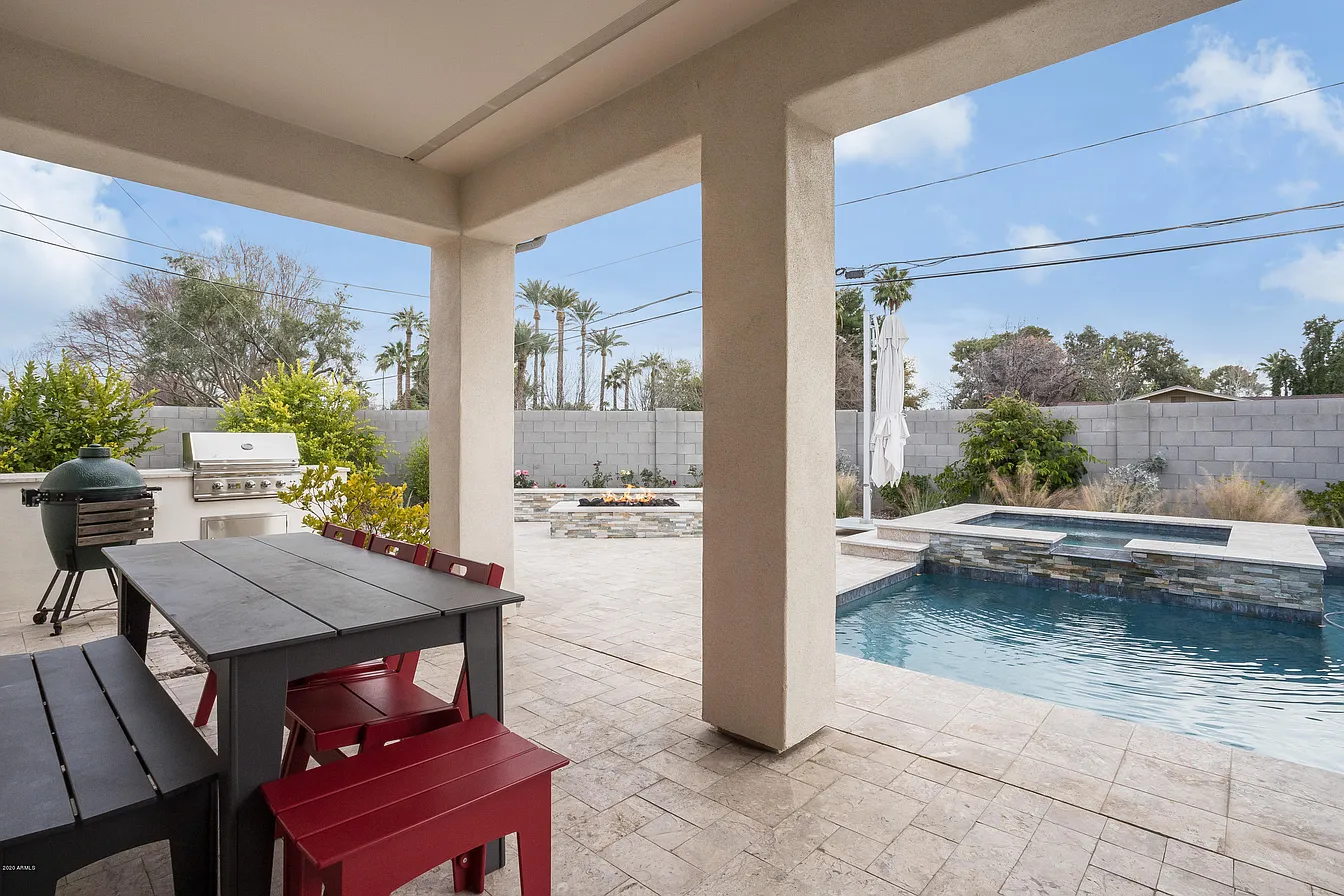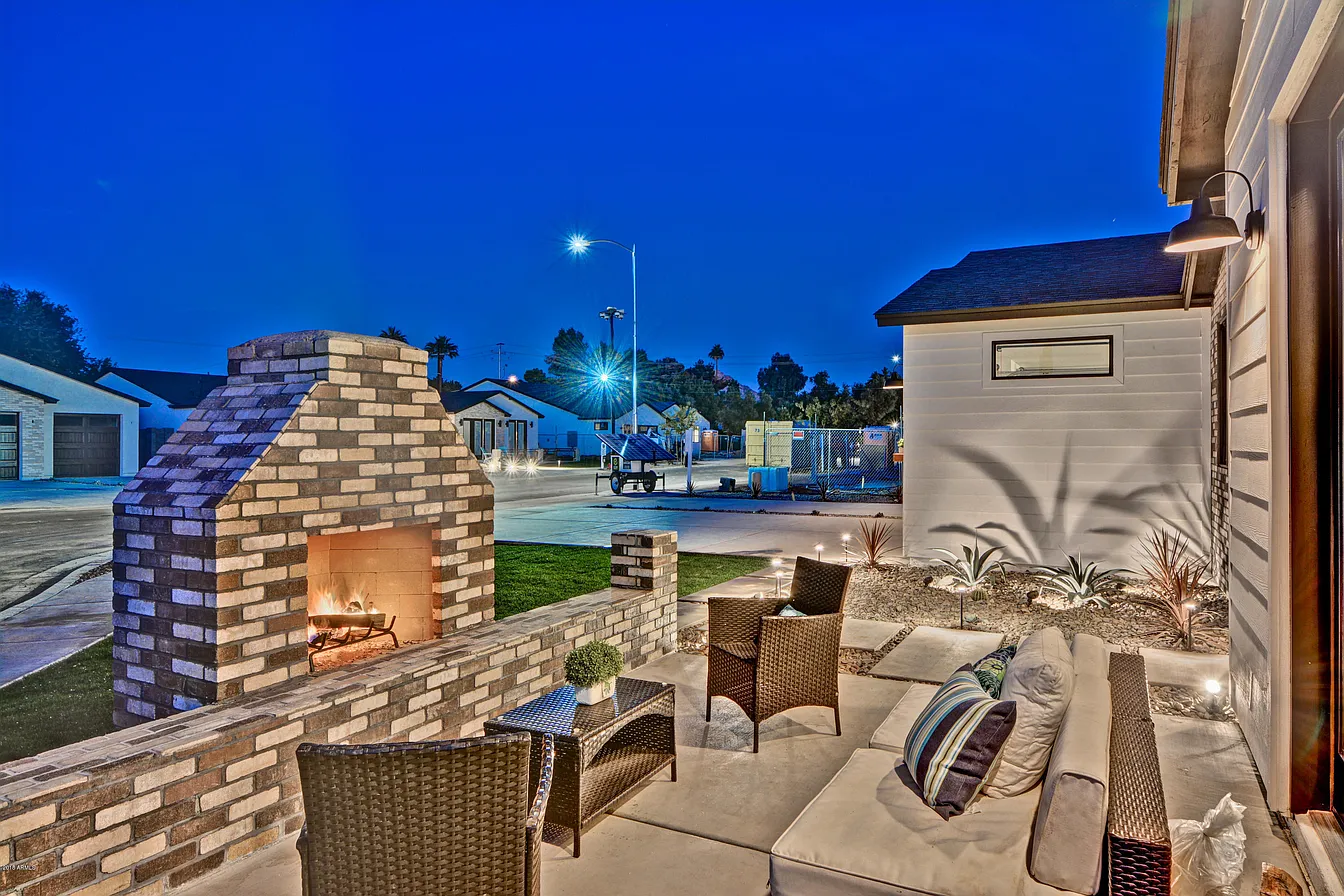
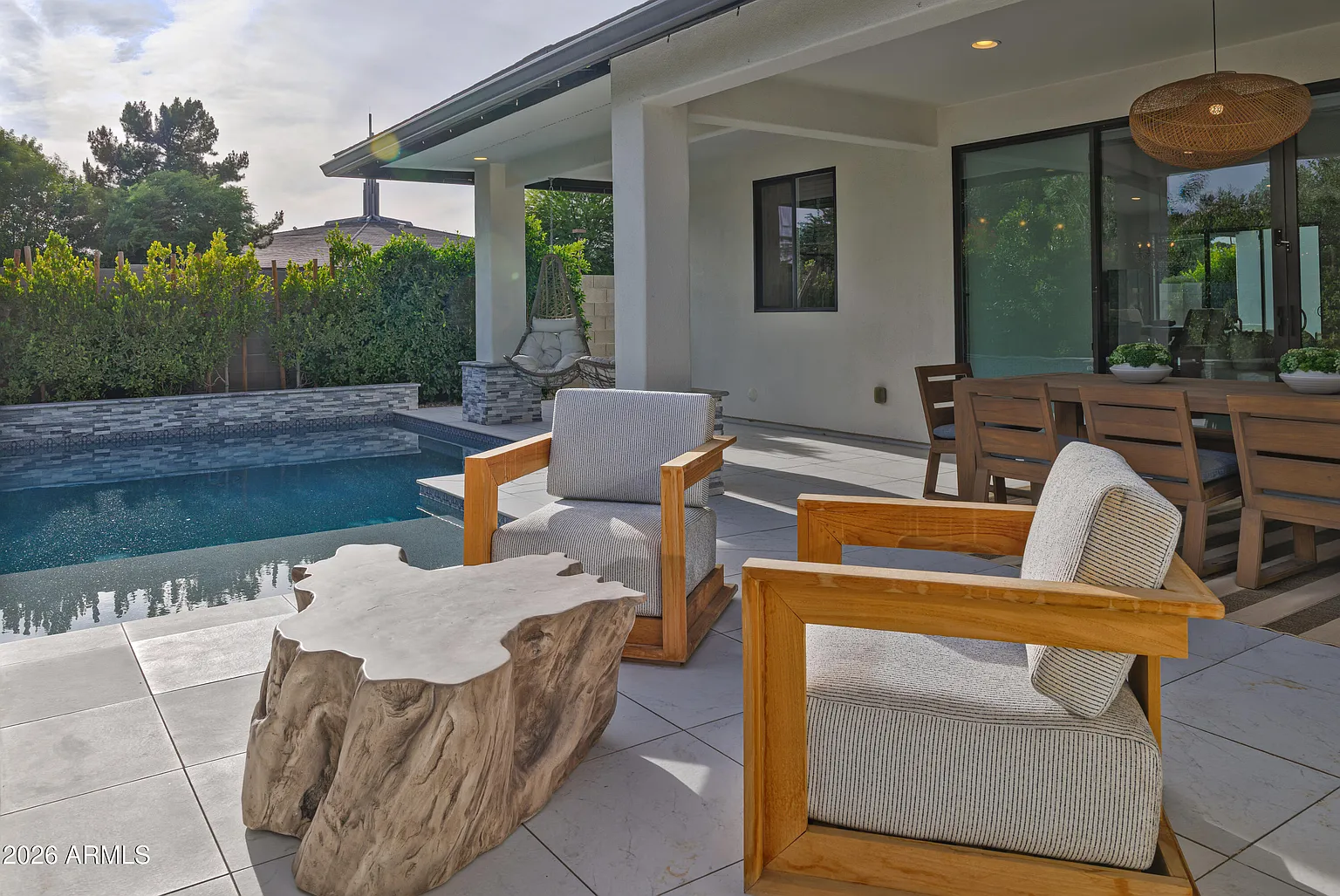
Blue Sky Homes builds Eco Friendly New Homes in Phoenix, Scottsdale, Paradise Valley, and Arcadia, and regularly works with homeowners deciding whether renovation or new construction makes more sense. For those considering a new build, understanding the custom home building process can also help clarify what is involved from planning through completion.
Here is a practical look at how the two paths compare.
The Challenge With Older Homes in Phoenix
Many older Phoenix homes were built under different energy standards and construction practices. Depending on the age and condition of the property, homeowners may encounter limited insulation, air leakage, older windows, inefficient ductwork, or HVAC equipment that no longer matches the home’s needs.
Updating one component at a time can improve performance, but it may not address the entire building as a system. Walls are already closed, mechanical layouts are established, and orientation cannot easily be changed.
That is one of the biggest considerations in the Eco Friendly New Homes vs Older Homes Phoenix decision.
What Eco Friendly New Homes Do Differently
Eco Friendly New Homes in Phoenix start with a clean slate. Orientation, shading, window placement, insulation, air sealing, and mechanical systems can all be coordinated during design.
The HVAC system can match the home’s calculated heating and cooling loads. This approach avoids simply replacing older equipment with similar units. Smart thermostats and energy monitoring can also integrate into the system. Plan these technologies before closing the walls.
These advantages come largely from planning the home as one connected system instead of upgrading individual parts after construction.
Energy Use Over Time
Cooling represents a major source of residential energy demand in Phoenix’s hot climate. A home designed to limit unwanted heat gain can reduce the amount of work required from its cooling system.
This is where Eco Friendly New Homes vs Older Homes Phoenix can show a meaningful difference. High-performance insulation, controlled air sealing, efficient windows, thoughtful shading, and correctly sized HVAC equipment can work together from day one.
The U.S. Department of Energy explains that energy-efficient home design works best when the building envelope, mechanical systems, site, and climate are considered together rather than independently.
Actual energy costs will still depend on home size, thermostat settings, occupancy, utility rates, and homeowner behavior.
Water Use
New construction also creates an opportunity to address water efficiency before landscaping and plumbing systems are installed.
Efficient fixtures, smart irrigation, desert-adapted landscaping, and carefully planned watering zones can all be incorporated from the beginning. Older properties may have established lawns, irrigation systems, or plumbing fixtures that require upgrades to achieve similar efficiency.
The EPA’s WaterSense program provides guidance on water-efficient products and practices for both indoor and outdoor residential use.
For homeowners comparing Eco Friendly New Homes in Phoenix with older properties, water use deserves consideration alongside energy performance.
Indoor Air and Comfort
A well-sealed home can help reduce uncontrolled outdoor air and dust infiltration, but tighter construction also needs appropriate ventilation.
When insulation, air sealing, HVAC design, filtration, and ventilation are planned together, homeowners can achieve more consistent temperatures and controlled indoor conditions throughout the house.
Older homes may experience drafts, uneven room temperatures, duct leakage, or other performance issues depending on how they were originally built and maintained.
These comfort differences can be just as important as utility savings when comparing a renovation with new construction.
Materials and Durability
Materials selected for Phoenix conditions need to withstand prolonged sun exposure, high temperatures, and other environmental stresses.
New construction allows exterior finishes, roofing, windows, insulation systems, and other materials to be selected specifically for the home’s design and local climate.
Durable materials may require fewer repairs and replacements over time. That can reduce both maintenance demands and the material waste associated with frequent replacement.
However, durability depends on product quality, installation, maintenance, and exposure, not simply whether the home is new or old.
When Renovating Still Makes Sense
Renovation can be the right choice when an existing home has a strong structure, a functional layout, desirable architectural character, and manageable performance issues.
Targeted improvements to insulation, windows, air sealing, HVAC equipment, and water systems may substantially improve an older home’s efficiency without requiring complete replacement.
The environmental impact of demolition and new material use should also be part of the broader decision. Renovation may preserve significant portions of an existing structure and avoid some of the embodied impacts associated with new construction.
The key is to compare the total scope of work, final performance, long-term plans, and overall investment rather than assuming either renovation or new construction is automatically greener.
When Building New Makes More Sense
Building new can become more compelling when an existing home is too small, poorly configured, difficult to cool, or requires major improvements across several systems at once.
If insulation, windows, ductwork, HVAC equipment, plumbing, electrical systems, and the layout all need substantial work, homeowners may find that rebuilding offers an opportunity to solve those issues together.
In areas such as Arcadia and Paradise Valley, some homeowners choose to replace an older property with a home designed specifically for the lot and their current lifestyle.
For these projects, Eco Friendly New Homes in Phoenix can incorporate performance features from the earliest design decisions rather than retrofitting them later.
How Blue Sky Homes Approaches It
Every Signature Home and Build-to-Suit project from Blue Sky Homes follows Smart & Green Building principles.
The process emphasizes insulation, air sealing, appropriately sized HVAC systems, smart technology, and climate-responsive design. Rather than viewing these as separate upgrades, Blue Sky Homes considers how the systems work together across the entire home.
Blue Sky Homes has also been named Best Sustainable Builder in Arizona for two consecutive years.
Weighing Your Options?
Eco Friendly New Homes vs Older Homes Phoenix is not simply a question of whether new is better than old. The better choice depends on the condition of the existing home, the amount of renovation required, your long-term plans, performance goals, budget, and the final result you want to achieve.
If you are deciding between renovation and Eco Friendly New Homes in Phoenix, contact Blue Sky Homes to discuss your property and goals.
You can also call 480.900.7202 or visit us at 4455 East Camelback Rd, D275, Phoenix, AZ 85018. Let’s talk about the path that makes the most sense for your home.