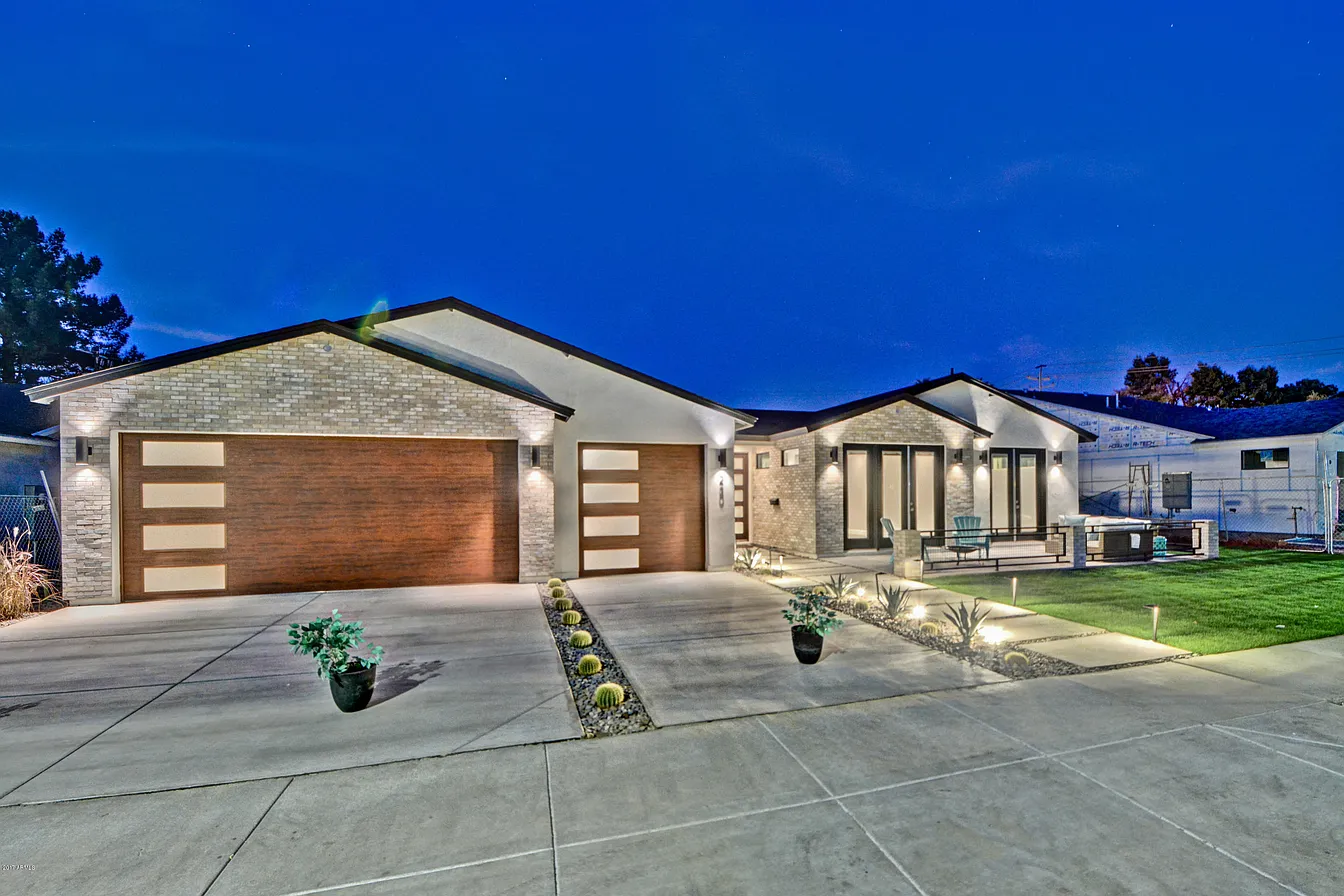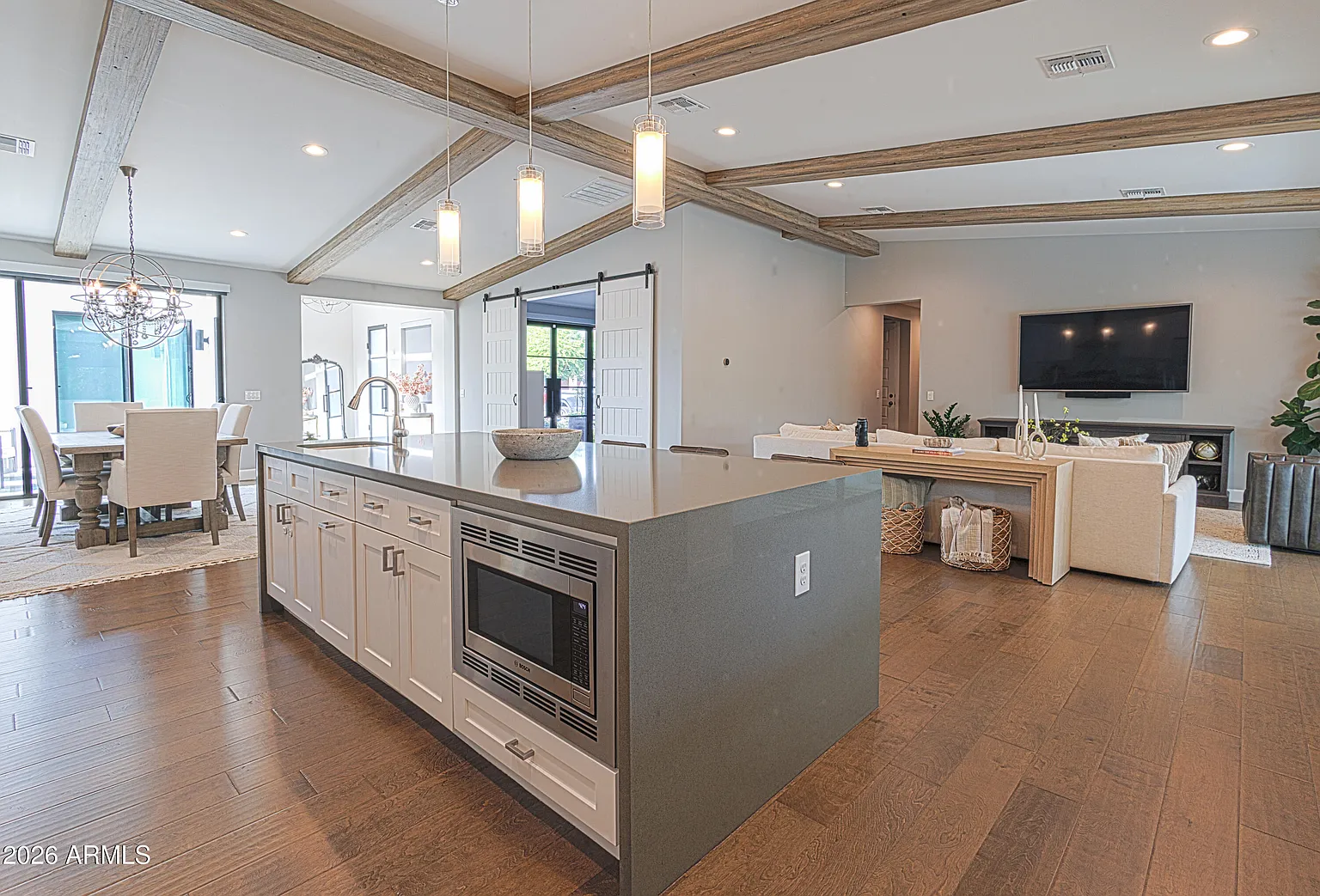
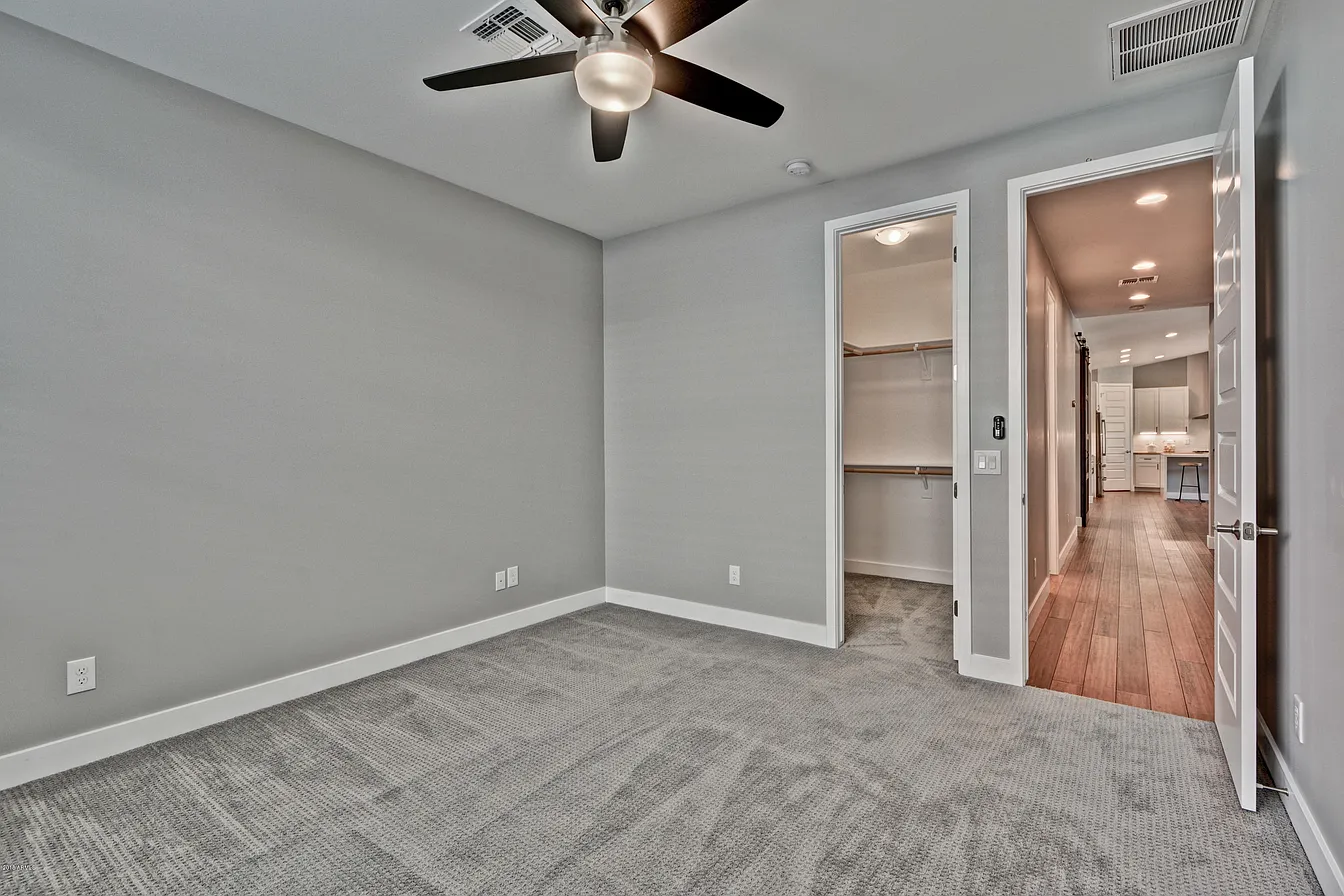
Indoor AirPlus Sealed Homes for Phoenix Dust and Monsoon address these concerns through careful sealing, ventilation, moisture control, and material choices. Blue Sky Homes considers indoor air throughout its Smart & Green Building approach in Scottsdale, Paradise Valley, and Arcadia.
Homeowners exploring Indoor AirPlus home standards can benefit from understanding how these systems work together.
Why Phoenix Is Different
Phoenix homeowners often keep windows closed during long periods of extreme heat. That helps protect conditioned indoor air, but fresh air still needs a planned path into the home.
A tighter building envelope reduces uncontrolled air leakage. Mechanical ventilation can then manage fresh-air exchange in a more deliberate way.
For Indoor AirPlus Certified Homes in Phoenix, this balance between airtightness and ventilation is an important part of indoor air planning.
The Dust Problem
Fine desert dust can enter through gaps around walls, windows, doors, and other openings. Careful air sealing reduces these uncontrolled pathways.
Filtration provides another layer of protection by capturing particles that enter the HVAC system. The goal is not to make a home completely dust-free. Instead, good design reduces uncontrolled infiltration and improves how indoor air gets managed.
Indoor AirPlus Sealed Homes for Phoenix Dust and Monsoon combine envelope design, filtration, and ventilation rather than relying on one feature alone.
Monsoon Humidity
Monsoon conditions can bring periods of higher outdoor moisture. A home needs systems that manage that moisture before it creates indoor problems.
Proper drainage, moisture-resistant assemblies, HVAC design, and ventilation all contribute. These systems help prevent excess moisture from remaining trapped within the home or building components.
The same planning also supports long-term durability.
Fresh Air on Purpose
A tight home still needs fresh air. Mechanical ventilation provides that air without depending entirely on open windows or random leaks.
This is a core consideration for Indoor AirPlus Certified Homes in Phoenix. A planned system can introduce outdoor air while other systems handle filtration, cooling, and humidity.
The result is greater control over how outdoor air enters the home.
Choosing Low-Emission Materials
Building materials can also influence indoor air quality.
Paints, adhesives, flooring, cabinetry, and other products may release indoor pollutants after installation. Choosing lower-emission materials can reduce those sources from the beginning.
Indoor AirPlus standards include requirements related to low-emission building materials. This adds another layer to the home’s overall indoor air strategy.
Kitchen and Bath Ventilation
Cooking and bathing introduce moisture, odors, and pollutants into the home. Local exhaust ventilation helps remove them near the source.
Kitchen ventilation should send cooking pollutants outdoors. Bathroom exhaust fans help remove excess moisture before it spreads through the house.
Fans also need to be practical enough for regular use. Quiet and effective equipment makes consistent operation more likely.
Garage Separation
Attached garages can contain vehicle exhaust, stored chemicals, tools, and other pollutant sources.
Careful sealing between the garage and living areas helps limit unwanted air movement. Door detailing and pressure relationships also deserve attention during design.
EPA’s Indoor AirPlus program includes construction practices that address pollutant control, HVAC systems, moisture, and low-emission materials.
Pests and Moisture Control
Small gaps can create pathways for both air leakage and pests. Moisture problems can also attract pests or damage building materials.
Careful sealing, drainage, and foundation detailing help address these risks together.
The EPA also recommends proper drainage and foundation sealing when planning healthier indoor environments. It advises homeowners to consider mechanical ventilation instead of relying on uncontrolled leakage.
How a Sealed Home Still Gets Fresh Air
One common misconception is that a tight home cannot get enough fresh air. The issue is not airtightness itself. The key is providing ventilation intentionally.
EPA guidance explains that mechanical ventilation can introduce outdoor air through designed systems. It can also distribute filtered and conditioned air throughout the home.
This planned approach is central to Indoor AirPlus Sealed Homes for Phoenix Dust and Monsoon. It gives the home greater control over ventilation than random cracks and gaps can provide.
What to Ask Your Builder
If indoor air matters to you, ask how the builder handles fresh air in a tightly sealed home. Ask what filtration, ventilation, and moisture-control systems they use.
Also ask about low-emission materials and garage separation. If certification matters, ask whether the builder can plan for it before construction begins.
Indoor AirPlus Certified Homes in Phoenix require more than adding a better filter at the end. The relevant details need coordination across the building envelope, HVAC system, ventilation, and materials.
How Blue Sky Homes Approaches Indoor Air
Blue Sky Homes applies many of these building-science principles across Signature Home and Build-to-Suit projects. The approach includes air sealing, moisture management, ventilation planning, and efficient mechanical systems.
If a homeowner wants formal Indoor AirPlus certification, the team can discuss those requirements during design. Early planning makes testing, materials, mechanical systems, and documentation easier to coordinate.
Blue Sky Homes has also been named Best Sustainable Builder in Arizona for two consecutive years.
Let’s Talk About Your Indoor Air
Indoor AirPlus Sealed Homes for Phoenix Dust and Monsoon show why healthy indoor air starts with more than filtration. Airtightness, ventilation, moisture management, exhaust, and materials all need to work together.
If you are considering Indoor AirPlus Certified Homes in Phoenix, contact Blue Sky Homes to discuss your project.
You can also call 480.900.7202 or visit 4455 East Camelback Rd, D275, Phoenix, AZ 85018. Let’s talk about a home designed for cleaner, more controlled indoor air.
Replace the awkward target phraseAdd a stronger Phoenix-specific comparison